
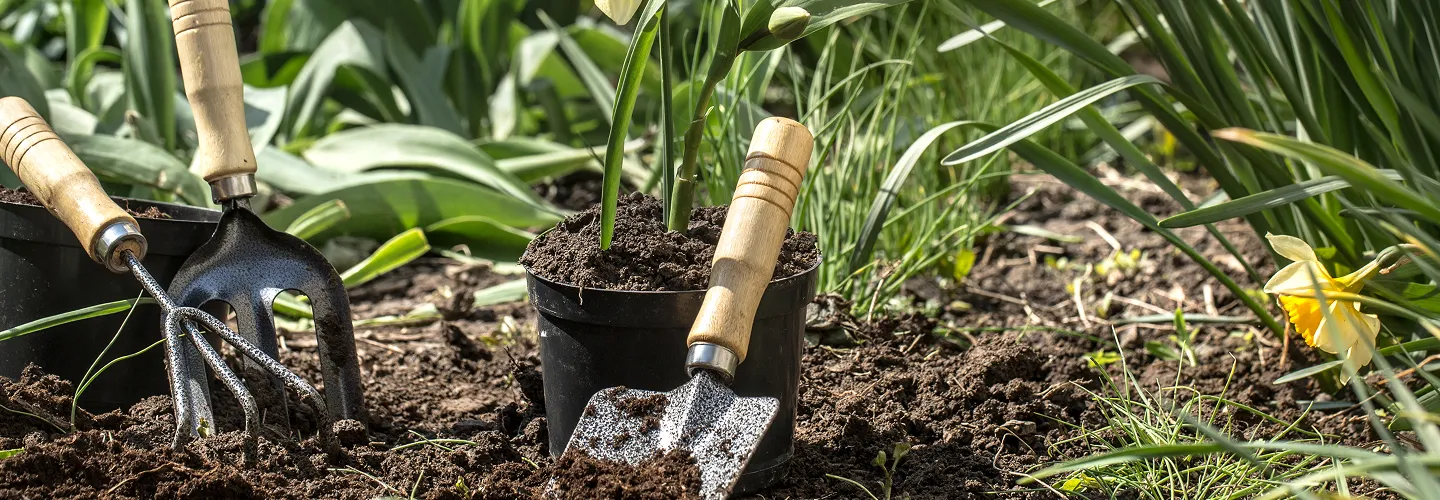
Cartersville Flower Bed Maintenance Services
Choose our Flower Bed Maintenance for expert care that keeps your beds blooming, weed-free, and healthy all season long—so you can enjoy a stunning landscape without the hassle.
Get a Free QuoteOur Cartersville Landscaping & Yard Care Services
When to Schedule Flower Bed Maintenance in Cartersville, Georgia – Seasonal Guide
In Cartersville, Georgia, timing your flower bed maintenance is crucial for vibrant, healthy landscapes. The region’s climate features mild winters and hot, humid summers, with frost typically ending in late March and returning by mid-November. This means the optimal windows for planting, mulching, and pruning are early spring and late fall, when soil temperatures are moderate and rainfall is more predictable. Neighborhoods near Dellinger Park or along the Etowah River may experience slightly different microclimates, so it’s important to observe your specific area’s conditions.
Local environmental factors such as clay-heavy soils, periods of drought risk in late summer, and varying shade coverage from mature oaks and maples—especially in areas like the Waterford or Cassville—can all impact the best times for maintenance. Be mindful of municipal watering restrictions and always check the official city website for updates on local guidelines. By tailoring your maintenance schedule to Cartersville’s unique landscape, you’ll ensure your flower beds thrive year-round.
Local Factors to Consider for Flower Bed Maintenance in Cartersville
- Tree density and shade from mature canopies
- Soil type (clay, loam, or sandy patches)
- Seasonal precipitation and drought risk
- Frost dates and temperature swings
- Terrain and drainage patterns
- Municipal watering restrictions and local ordinances
Benefits of Flower Bed Maintenance in Cartersville
Enhanced Curb Appeal
Weed and Pest Prevention
Healthier Plant Growth
Seasonal Color Management
Professional Landscaping Expertise
Increased Property Value
Cartersville Flower Bed Maintenance Types

Seasonal Mulching
-
Weed Control Services
-
Soil Amendment
-
Plant Pruning
-
Fertilization Programs
-
Edging and Border Maintenance
-
Annual Flower Planting
Our Flower Bed Maintenance Process
Site Evaluation
Weed Removal
Soil Preparation
Plant Care
Mulching
Why Choose Cartersville Landscape Services
Cartersville Homeowners Trust Us
-
Expert Lawn Maintenance
-
Reliable Scheduling
-
Competitive Pricing
-
Professional Team
-
Satisfaction Guarantee
-
Personalized Service
-
Locally Owned and Operated
Cartersville's Piedmont Red Clay Soils and Flower Bed Drainage Management
Cartersville sits within Georgia's Piedmont physiographic region, where soils are predominantly Cecil and Appling series — dense, acidic red clay loams with limited natural drainage and significant compaction potential. According to the USDA Web Soil Survey, these soils typically carry a pH between 5.0 and 6.0, which can restrict nutrient availability for many flowering annuals and perennials. Flower beds established in compacted clay without amendment are prone to standing water, root suffocation, and fungal disease during Cartersville's humid summers. Practical bed preparation steps include:
- Incorporating 3–4 inches of compost or aged organic matter to improve drainage and aeration
- Raising bed grades 4–6 inches above surrounding grade in low-lying areas
- Testing soil pH annually and applying lime to raise pH toward 6.2–6.5 for most ornamentals
- Avoiding heavy clay backfill when replanting established beds
UGA Cooperative Extension provides soil amendment guidance specific to Georgia Piedmont conditions and can assist with interpreting soil test results from the UGA Soil Testing Laboratory.
Seasonal Timing for Flower Bed Maintenance in Cartersville's USDA Zone 7b Climate
Cartersville falls within USDA Plant Hardiness Zone 7b, with average annual minimum temperatures between 5°F and 10°F. This zone supports a long warm-season growing window, typically from late March through early November, but late-season freezes can occur through mid-April. Effective flower bed maintenance in Cartersville follows a structured seasonal calendar:
- Late February–March: Apply pre-emergent herbicides to beds before soil temperatures reach 55°F; edge and define bed borders
- April–May: Install warm-season annuals such as vinca, pentas, and lantana after last frost risk passes (typically mid-April)
- June–August: Monitor for drought stress; deep watering 1–2 times per week is preferable to shallow daily irrigation
- September–October: Transition to cool-season annuals such as pansies and snapdragons; apply 2–3 inches of fresh mulch
- November–February: Cut back spent perennials; divide overcrowded clumps; amend soil before spring planting
The National Weather Service Peachtree City forecast office provides seasonal temperature and precipitation outlooks relevant to Cartersville's growing conditions.
Protecting Euharlee Creek and Cartersville Stormwater Inlets During Bed Maintenance
Cartersville's stormwater infrastructure drains toward Euharlee Creek and the Etowah River watershed, both of which are subject to water quality protections under the Clean Water Act and monitored by the Georgia EPD Watershed Protection Branch. Flower bed maintenance activities — including fertilizer application, pesticide use, and mulch displacement — can contribute to nutrient and sediment loading in stormwater runoff if not managed carefully. Property owners and maintenance professionals should observe the following precautions:
- Apply granular fertilizers at least 10 feet from storm drain inlets, curb cuts, and drainage swales
- Avoid applying soluble fertilizers or pesticides within 24 hours of forecasted rainfall
- Contain displaced mulch and bed debris to prevent it from entering street gutters or drainage channels
- Use slow-release fertilizer formulations to reduce leaching risk in clay soils
The Cartersville Public Works Department oversees municipal stormwater infrastructure and can provide guidance on drainage inlet locations and runoff compliance expectations for residential and commercial properties.
Cartersville Public Works Department
10 N. Public Square, Cartersville, GA 30120
Official Website: Cartersville Public Works Department
Mulch Selection and Bed Edge Standards Under Cartersville's Planning and Code Framework
Cartersville's Planning & Development Department administers landscaping and site maintenance standards that may apply to commercial properties, multi-family developments, and properties subject to site plan conditions. For residential and commercial flower beds alike, mulch depth, bed edging, and plant material condition can be subject to code enforcement review under the city's property maintenance and nuisance vegetation ordinances. Recommended standards for compliant bed maintenance include:
- Maintain mulch depth between 2 and 3 inches; avoid "volcano mulching" around shrub bases, which promotes rot and pest pressure
- Use hardwood bark, pine bark, or pine straw — all of which are appropriate for Piedmont Georgia's acidic soil conditions
- Define bed edges with a clean spade cut or steel edging to prevent turf encroachment and maintain a neat appearance
- Remove dead or diseased plant material promptly to avoid nuisance vegetation citations
Property owners with questions about landscaping standards applicable to their zoning classification should consult the Cartersville Planning & Development Department directly.
Cartersville Planning & Development
1 N. Erwin Street, Cartersville, GA 30120
Official Website: Cartersville Planning & Development
Managing Invasive Plants and Nuisance Vegetation in Cartersville Flower Beds
Several invasive plant species documented in Georgia's Piedmont region are capable of establishing in or adjacent to maintained flower beds in Cartersville, including English ivy (Hedera helix), Japanese honeysuckle (Lonicera japonica), and Chinese privet (Ligustrum sinense). These species spread aggressively into wooded edges, creek corridors, and unmaintained bed margins. UGA Extension's Invasive Species program provides identification guides and management recommendations specific to Georgia landscapes. Effective control measures include:
- Hand-pulling or cutting invasive stems before seed set, typically in spring and early summer
- Applying herbicide treatments only by licensed applicators in compliance with the Georgia Pesticide Use and Application Act of 1976
- Replacing invasive groundcovers with native alternatives such as native ginger (Asarum canadense), green-and-gold (Chrysogonum virginianum), or creeping phlox (Phlox subulata)
- Monitoring bed edges adjacent to wooded lots or creek buffers at least twice per growing season
Bartow County Environmental Management Services also provides environmental compliance guidance relevant to vegetation management near sensitive drainage corridors.
Bartow County Environmental Management Services
Official Website: Bartow County Environmental Management Services
What Neighborhoods Do We Serve Throughout Cartersville, GA?
Flower bed maintenance needs vary considerably across Cartersville's neighborhoods based on soil conditions, lot age, canopy cover, and proximity to drainage features.
- Downtown Cartersville Historic District: Older lots with established tree canopy create dense shade conditions that require shade-tolerant plant selections and careful mulch management around mature root zones.
- Dellwood: A well-established residential area with mature landscaping where compacted red clay soils and tree root competition are common challenges for bed renovation and replanting.
- Woodland Hills: Wooded lot edges and sloped terrain increase the risk of invasive species encroachment and require regular monitoring of bed perimeters adjacent to natural areas.
- Cartersville Commons and newer subdivisions along Highway 41 corridor: Newer developments often feature disturbed fill soils with poor organic content, requiring more intensive soil amendment before planting beds can support healthy ornamentals.
- Euharlee Road corridor neighborhoods: Proximity to Euharlee Creek and associated drainage swales makes runoff management during fertilizer and pesticide applications a priority for bed maintenance in this area.
- Cassville Road area: Mixed residential and transitional-use properties with varying lot sizes and HOA expectations; frontage bed maintenance and edging standards are particularly relevant in this corridor.