
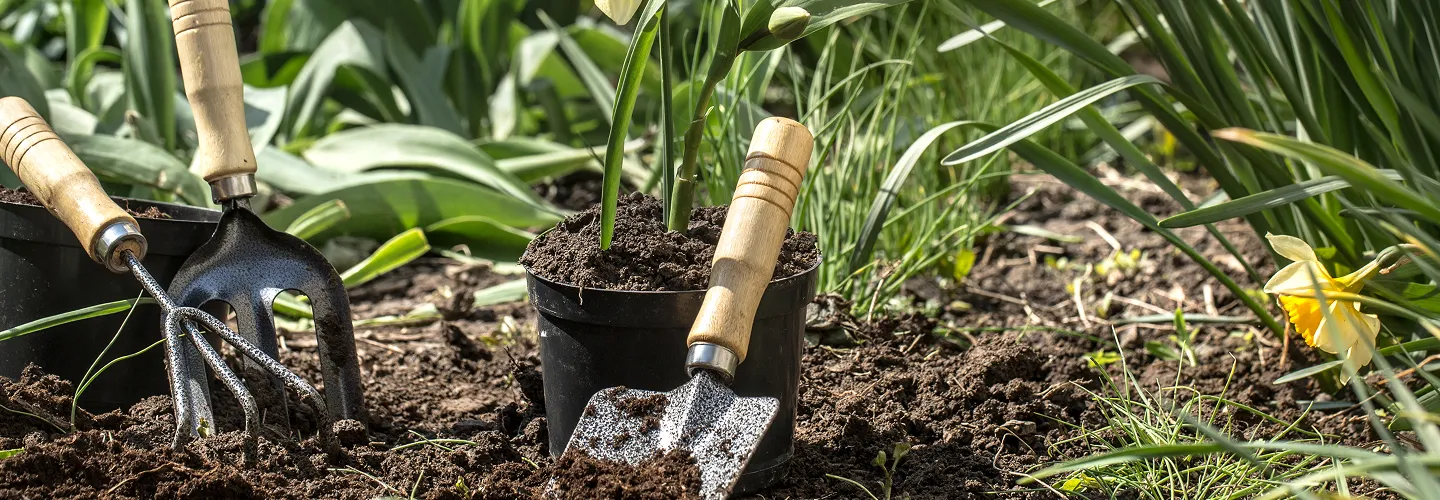
Cartersville Lawn Renovation Services
Choose our expert Lawn Renovation services for a lush, healthy yard—our experienced team uses proven techniques and premium materials to restore your lawn’s beauty, boost property value, and ensure lasting results you’ll love.
Get a Free QuoteOur Cartersville Landscaping & Yard Care Services
When to Schedule Lawn Renovation in Cartersville, Georgia – Seasonal Guide
In Cartersville, Georgia, timing your lawn renovation is crucial for achieving a lush, healthy yard that thrives year-round. The best periods for renovation typically fall in early spring and early fall, when soil temperatures are moderate and rainfall is more predictable. Cartersville’s climate, characterized by humid summers and mild winters, means that late frosts can linger into March, while summer droughts may stress new grass if renovation is attempted too late in the season. Neighborhoods near Dellinger Park or along the Etowah River often experience unique microclimates, with shaded lots and varying soil types that can impact renovation timing.
Local environmental factors such as heavy clay soils, common in the Woodland Hills area, and dense tree coverage in neighborhoods like Cassville, can influence how and when to renovate your lawn. It’s important to consider the last expected frost date and the risk of summer heatwaves, as well as municipal watering restrictions that may be in effect. For more information on local guidelines and resources, visit the official Cartersville municipal site.
Local Factors to Consider for Lawn Renovation in Cartersville
- Tree density and shade coverage, especially in established neighborhoods
- Soil composition (clay, loam, or sandy soils)
- Terrain and drainage patterns, particularly in hilly areas
- Average precipitation and risk of drought during summer months
- Frost dates and temperature fluctuations in early spring and late fall
- Municipal watering restrictions or ordinances
Benefits of Lawn Renovation in Cartersville
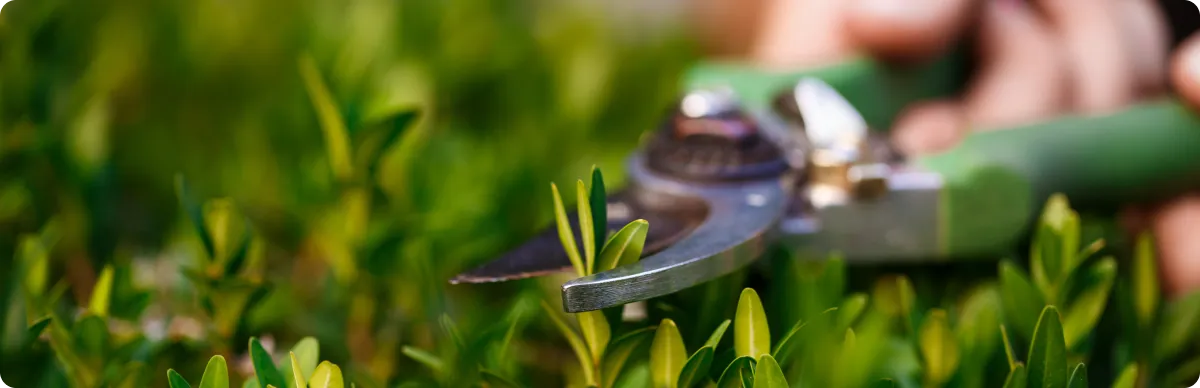
Enhanced Curb Appeal
Improved Soil Health
Weed and Pest Reduction
Thicker, Greener Grass
Increased Property Value
Customized Lawn Solutions
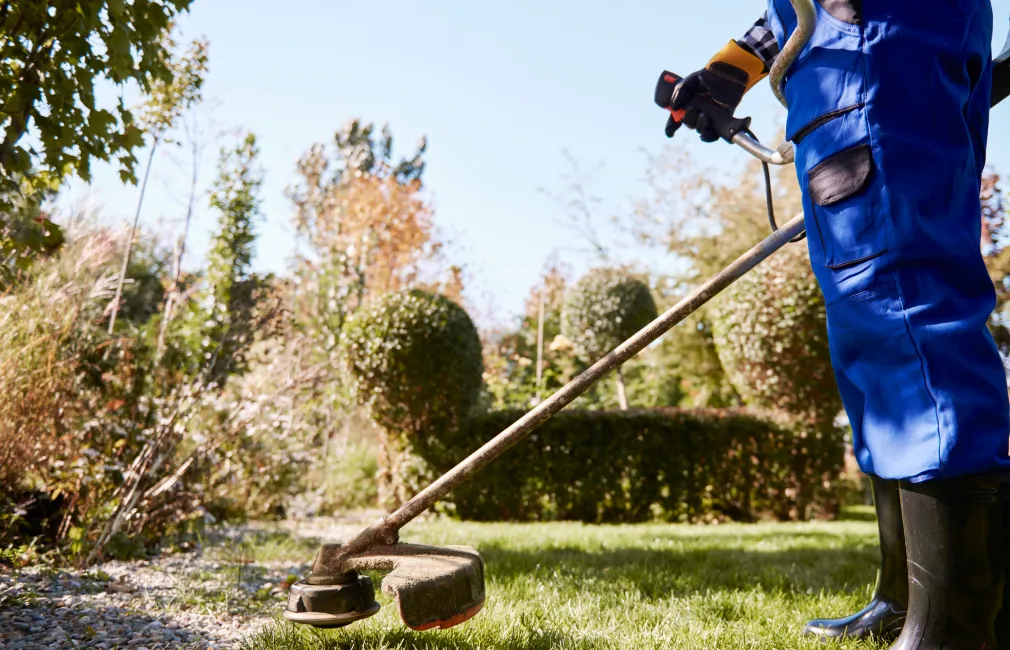
Cartersville Lawn Renovation Types

Sod Installation
-
Overseeding
-
Aeration Services
-
Soil Amendment
-
Weed Removal
-
Grading and Leveling
-
Dethatching
Our Lawn Renovation Process
Site Evaluation
Soil Preparation
Seeding or Sodding
Watering and Fertilization
Ongoing Maintenance
Why Choose Cartersville Landscape Services
Cartersville Homeowners Trust Us
-
Expert Lawn Maintenance
-
Reliable Scheduling
-
Competitive Pricing
-
Professional Team
-
Satisfaction Guarantee
-
Personalized Service
-
Locally Owned and Operated
Cartersville's Piedmont Red Clay Soils and Core Aeration Timing for Lawn Renovation
Cartersville sits within Georgia's Piedmont physiographic region, where soils are predominantly Cecil and Appling series — dense, red clay-rich Ultisols with naturally low pH levels ranging from 5.0 to 6.0 and limited infiltration capacity. These conditions create significant compaction challenges, particularly on older residential lots and properties with disturbed urban fill. Before any lawn renovation effort — whether overseeding, sod installation, or full turf replacement — core aeration is strongly recommended to break compaction layers and improve root penetration. According to UGA Cooperative Extension, aeration is most effective for warm-season grasses such as bermudagrass and zoysiagrass when performed between late April and early June, once soil temperatures consistently exceed 65°F. Soil pH should be tested prior to renovation; lime applications may be necessary to raise pH toward the 6.0–6.5 range optimal for turf establishment. Residents can reference the USDA Web Soil Survey to identify specific soil series on their property before selecting renovation methods.
Optimal Warm-Season Turf Establishment Windows in Cartersville, GA
Cartersville falls within USDA Plant Hardiness Zone 7b, with average minimum winter temperatures between 5°F and 10°F. This zone supports warm-season turf species including bermudagrass, zoysiagrass, and centipedegrass, all of which require specific establishment windows for successful renovation. According to UGA Cooperative Extension guidance for North Georgia Piedmont conditions, sod installation is most reliable between mid-May and mid-August, when soil temperatures remain above 70°F and root establishment can occur before fall dormancy. Seeding of bermudagrass should be completed no later than mid-July to allow at least 60 days of active growth before the first frost, which typically arrives in Cartersville between late October and mid-November. The National Weather Service Peachtree City forecast office provides seasonal temperature and precipitation data useful for planning renovation timing. Centipedegrass, while slower to establish, performs well on Cartersville's acidic clay soils with minimal fertilizer input once established.
Stormwater Runoff Precautions During Lawn Renovation Near Cartersville Drainage Corridors
Lawn renovation activities — including tilling, grading, overseeding, and sod installation — disturb soil surfaces and significantly increase the risk of sediment-laden runoff entering local drainage systems. Cartersville contains several drainage corridors, including Stamp Creek and its tributaries, which flow into the Etowah River watershed. Disturbed turf areas must be managed to prevent sediment discharge in compliance with the Clean Water Act and Georgia's stormwater regulations administered by the Georgia EPD Watershed Protection Branch. Practical erosion control measures during renovation include:
- Installing silt fencing or sediment barriers along downslope edges before grading begins
- Applying straw mulch or erosion control blankets to bare soil areas immediately after seeding
- Avoiding renovation work within 25 feet of drainage ditches, streams, or stormwater inlets
- Limiting soil disturbance to areas actively being renovated rather than the full property at once
The Bartow County Environmental Management Services oversees erosion and sediment control compliance for properties within the county and can provide guidance on applicable local requirements.
Bartow County Environmental Management Services
135 W. Cherokee Ave., Cartersville, GA 30120
Phone: (770) 387-5000
Official Website: Bartow County Environmental Management Services
Navigating Cartersville Planning & Development Review for Significant Lawn Renovation Projects
Lawn renovation projects that involve substantial grading, drainage alteration, or changes to impervious surface coverage may require review through Cartersville Planning & Development before work begins. While routine overseeding and aeration typically do not trigger permitting, projects involving regrading of slopes, installation of retaining walls, or significant soil import may fall under local development review thresholds. Property owners undertaking large-scale turf replacement on sloped lots or near drainage easements should confirm whether a land disturbance permit is required. The Cartersville Engineering Division manages infrastructure and stormwater-related technical reviews and can advise on grading plans that affect drainage patterns. Key steps before beginning a major renovation:
- Contact Planning & Development to determine if a land disturbance permit applies
- Submit a site plan if grading exceeds local thresholds
- Verify that proposed drainage changes do not redirect runoff onto adjacent properties or public rights-of-way
Cartersville Planning & Development
1 N. Erwin St., Cartersville, GA 30120
Phone: (770) 387-5644
Official Website: Cartersville Planning & Development
Cartersville Engineering Division
1 N. Erwin St., Cartersville, GA 30120
Phone: (770) 387-5644
Official Website: Cartersville Engineering Division
Georgia Fertilizer Standards Applicable to Post-Renovation Turf Nutrition Programs
Following lawn renovation, newly established turf requires a structured fertilization program to support root development and canopy closure. In Georgia, fertilizer products sold and applied commercially must comply with the Georgia Fertilizer Act of 1997, administered by the Georgia Department of Agriculture - Fertilizer program. This act governs labeling, nutrient content guarantees, and registration of fertilizer products used in the state. For newly renovated bermudagrass or zoysiagrass lawns in Cartersville, UGA Extension recommends a starter fertilizer with higher phosphorus content at establishment, followed by nitrogen applications of no more than 1 pound of actual nitrogen per 1,000 square feet per application during the active growing season. Fertilizer should not be applied within 10 feet of any stormwater inlet, drainage ditch, or water body to prevent nutrient runoff into the Etowah River watershed. Soil test results from the UGA Extension soil testing laboratory should guide all post-renovation fertilizer decisions to avoid over-application on Cartersville's naturally acidic clay soils.
What Neighborhoods Do We Serve Throughout Cartersville, GA?
- Downtown Cartersville: Older residential lots with established trees, compacted clay soils, and limited turf coverage due to shade; renovation often requires shade-tolerant species selection and soil amendment prior to seeding.
- Dellinger Park Area: Established neighborhood with mature canopy and mixed soil conditions; renovation projects frequently involve overseeding under partial shade and managing thatch buildup in older turf.
- Woodland Hills: Subdivision with varying lot grades and red clay subsoil exposure common on cut-and-fill lots; aeration and topsoil amendment are typically necessary before successful turf establishment.
- Cartersville West / Cassville Road Corridor: Newer residential development with fill soils and compaction from construction activity; full renovation including deep aeration and soil conditioning is often required.
- Stamp Creek Corridor Neighborhoods: Properties near Stamp Creek tributaries require careful erosion control during renovation to protect drainage corridors and comply with stormwater buffer requirements.
- Grassdale Road Area: Mixed residential and transitional properties with larger lot sizes; warm-season turf renovation is common, with bermudagrass and zoysiagrass performing well on well-drained upland sections.