
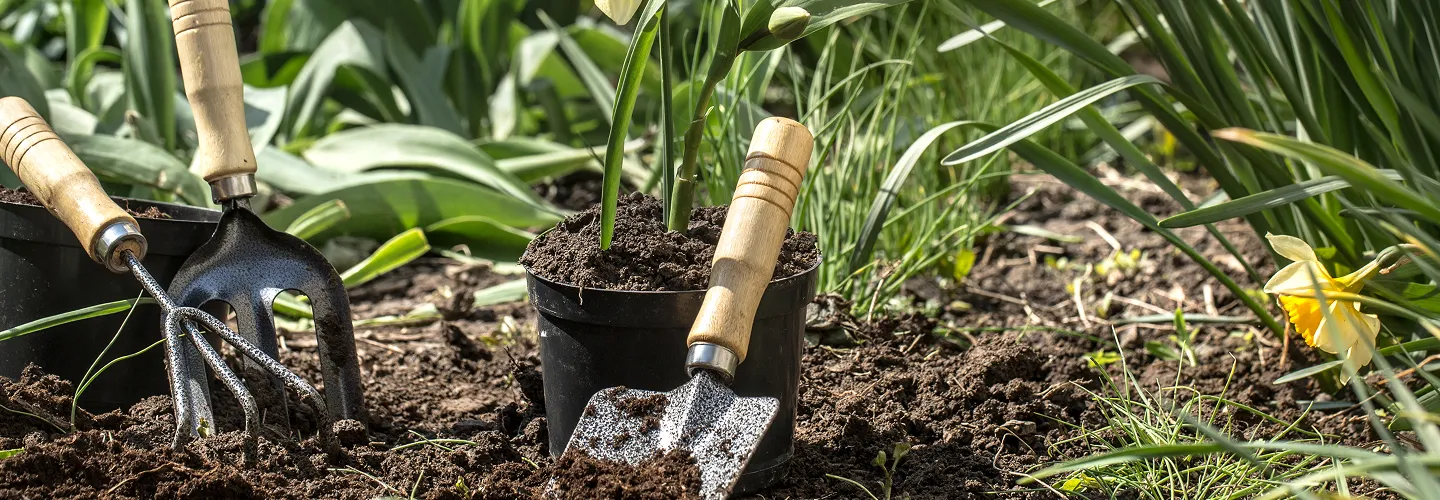
Cartersville Green Waste Disposal Services
Choose our Green Waste Disposal for reliable, environmentally responsible service that keeps your property clean and supports a healthier community.
Get a Free QuoteOur Cartersville Landscaping & Yard Care Services
When to Schedule Green Waste Disposal in Cartersville, Georgia – Seasonal Guide
In Cartersville, Georgia, the best times to schedule green waste disposal are closely tied to our region’s unique climate and landscape. Spring and late fall are optimal, as these periods align with peak yard maintenance activities and the natural cycles of local vegetation. For example, neighborhoods near Dellinger Park and the Etowah River often see increased green waste after spring growth and autumn leaf drop. Cartersville’s last frost typically occurs in early April, making late spring ideal for clearing winter debris and preparing for new plantings. Conversely, late October through November is perfect for disposing of fallen leaves and pruning waste before winter sets in.
Local environmental factors such as high summer humidity, occasional drought risk, and the prevalence of clay-heavy soils can influence the timing and frequency of green waste removal. Areas with dense shade, like those around Woodland Hills, may accumulate more organic debris, while properties on sloped terrain or near municipal boundaries may face additional disposal regulations. For more information on local guidelines, visit the official municipal resource.
Local Factors to Consider for Green Waste Disposal in Cartersville
- Tree density and types of vegetation on your property
- Proximity to landmarks like Dellinger Park or the Etowah River
- Seasonal precipitation patterns and drought risk
- Soil composition, especially clay-heavy or well-drained areas
- Shade coverage and accumulation of organic debris
- Terrain challenges, such as slopes or uneven ground
- Municipal restrictions and scheduled collection dates
Benefits of Green Waste Disposal in Cartersville
Eco-Friendly Landscaping Solutions
Efficient Yard Waste Removal
Promotes Healthy Plant Growth
Reduces Landfill Waste
Improves Curb Appeal
Supports Local Sustainability
Cartersville Green Waste Disposal Types

Grass Clippings
-
Tree Branches
-
Shrub Trimmings
-
Leaves Collection
-
Garden Debris
-
Mulch Recycling
-
Compostable Materials
Our Green Waste Disposal Process
Collection of Green Waste
Sorting and Separation
Transport to Disposal Facility
Eco-Friendly Processing
Why Choose Cartersville Landscape Services
Cartersville Homeowners Trust Us
-
Expert Lawn Maintenance
-
Reliable Scheduling
-
Competitive Pricing
-
Professional Team
-
Satisfaction Guarantee
-
Personalized Service
-
Locally Owned and Operated
Cartersville Public Works Yard Waste Collection Procedures and Curbside Placement Rules
Residents and property managers in Cartersville should coordinate green waste disposal through the Cartersville Public Works Department, which oversees sanitation support and municipal waste handling for city properties. Yard waste accepted at curbside typically includes grass clippings, leaves, small branches, and garden trimmings. To ensure timely pickup, materials should be placed at the curb by the designated collection time on your scheduled service day, separated from household trash and recycling. Brush and limb bundles are generally required to be cut to manageable lengths — commonly no longer than 4 feet — and bundled securely. Loose leaf and clipping material should be bagged or containerized to prevent scatter into storm drains and roadways. Residents should verify current collection schedules and any seasonal adjustments directly with Public Works, as pickup windows may shift following storm events or holidays.
Cartersville Public Works Department
190 Cassville Road, Cartersville, GA 30120
Phone: (770) 387-5640
Official Website: Cartersville Public Works Department
Protecting Euharlee Creek and Local Drainage Corridors During Green Waste Removal
Cartersville sits within the Etowah River watershed, and several drainage corridors — including tributaries feeding Euharlee Creek and local stormwater channels — run through and adjacent to residential neighborhoods. Improper disposal of green waste near these waterways can introduce organic matter that depletes dissolved oxygen, promotes algae growth, and degrades water quality in violation of Georgia Water Quality Standards enforced by the Georgia EPD Watershed Protection Branch. Property owners should observe the following precautions during green waste removal:
- Do not deposit grass clippings, leaves, or brush within 25 feet of any stream bank, drainage ditch, or stormwater inlet
- Avoid blowing or raking debris directly into roadside ditches or culverts
- Bag or contain all loose organic material before transport to prevent wind scatter into waterways
- Confirm buffer requirements with Bartow County Environmental Management Services for properties adjacent to regulated streams
Bartow County Environmental Management Services
135 West Cherokee Avenue, Cartersville, GA 30120
Official Website: Bartow County Environmental Management Services
How Cartersville's Piedmont Red Clay Soils Affect Green Waste Volume and Composting Suitability
Cartersville lies within Georgia's Piedmont physiographic region, where soils are predominantly Ultisols — specifically Cecil and Appling series red clay loams — characterized by low permeability, moderate to high acidity (pH typically 5.0–6.0), and significant compaction under foot and equipment traffic. According to the USDA Web Soil Survey, these clay-heavy soils drain slowly and tend to generate substantial thatch and organic debris accumulation, particularly in established lawns with dense warm-season turf. This soil profile has direct implications for green waste management:
- Heavy clay soils slow decomposition of grass clippings left on-site, increasing the need for off-site disposal
- Leaf and clipping volumes are elevated in older, tree-canopied neighborhoods where organic matter accumulates rapidly
- On-site composting in clay-heavy areas requires deliberate aeration and layering to prevent anaerobic conditions
- UGA Cooperative Extension recommends amending compost piles with coarse material to improve airflow in high-clay environments
Cartersville falls within USDA Hardiness Zone 7b, supporting a long warm-season growth period that extends green waste generation from April through October.
Seasonal Green Waste Accumulation Patterns and Optimal Disposal Timing in Cartersville
Cartersville's climate, monitored by the National Weather Service office serving northwest Georgia, produces two peak periods of green waste generation that property owners should plan for in advance. The first occurs in spring (March through May) when warm-season turf resumes active growth and ornamental beds require clearing of winter debris. The second and largest accumulation window runs from late October through December, when deciduous trees — including oaks, maples, and sweetgums common throughout Cartersville neighborhoods — shed significant leaf volumes. Practical timing guidance includes:
- Schedule curbside leaf collection requests before mid-November to align with peak municipal pickup demand
- Avoid stockpiling large brush piles for extended periods, as decomposing material can attract pests and create fire hazards
- After summer storm events, prioritize removal of downed limbs from drainage swales and roadside ditches within 48–72 hours
- Coordinate large-volume cleanups with Public Works in advance when debris volumes exceed standard curbside limits
Nuisance Vegetation, Invasive Species Removal, and Compliant Disposal in Cartersville
Green waste generated from the removal of invasive or nuisance vegetation requires particular care during disposal. Species such as kudzu (Pueraria montana), privet (Ligustrum sinense), and Chinese wisteria (Wisteria sinensis) — all documented in Bartow County — can re-establish from stem fragments if improperly composted or left in contact with soil. UGA Extension's Invasive Species program advises that invasive plant material should be bagged in sealed plastic before disposal rather than composted on-site. Property owners removing significant volumes of invasive vegetation should:
- Bag all stem and root material in heavy-duty sealed bags before curbside placement
- Avoid chipping invasive material for on-site mulch use, as viable propagules may survive
- Confirm with Cartersville Public Works whether invasive plant material qualifies for standard yard waste pickup or requires separate handling
- Consult Georgia EPD guidance on regulated plant species if removal involves wetland-adjacent areas
What Neighborhoods Do We Serve Throughout Cartersville, GA?
- Downtown Cartersville and Historic District: Older lots with established tree canopy generate high leaf and limb volumes seasonally; narrow streets and proximity to historic structures require careful equipment access and debris containment.
- Douthit Ferry Road Corridor: Larger residential parcels with wooded edges and drainage swales adjacent to Etowah River tributaries; green waste must be kept clear of low-lying drainage features.
- Cassville Road Neighborhoods: Mixed residential development with moderate clay soil compaction; warm-season turf produces consistent clipping volumes from May through September.
- Grassdale Road Area: Newer subdivisions with fill soils and active stormwater infrastructure; debris management near detention ponds and inlet structures is a priority.
- Woodland Hills and Surrounding Subdivisions: Established neighborhoods with mature oak and maple canopy contributing heavy fall leaf loads requiring timely curbside removal.
- Highway 41 North Residential Corridor: Mixed older and newer development with varying lot sizes; some properties border drainage ditches requiring buffer-conscious debris handling.
- White Road and Euharlee Road Areas: Semi-rural residential lots with wooded buffers and creek-adjacent properties; invasive vegetation removal and stream-buffer compliance are common considerations.