
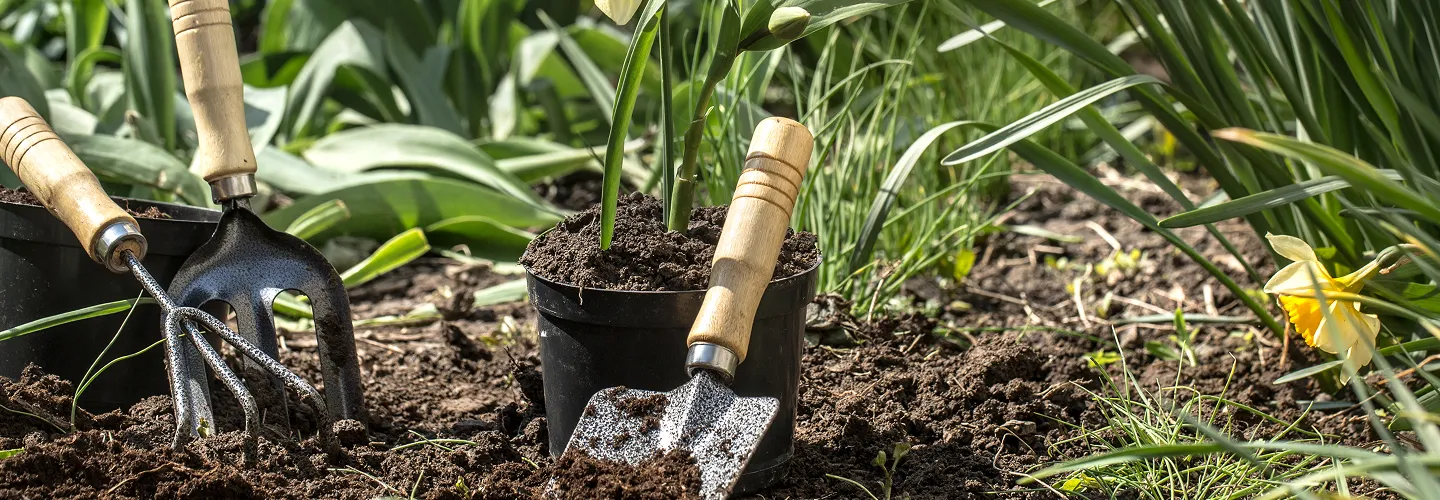
Cartersville Fertilizing Lawn Services
Choose our fertilizing lawn services for lush, healthy grass that stands out in your neighborhood—our expert care ensures your lawn receives the nutrients it needs for vibrant growth and long-lasting beauty.
Get a Free QuoteOur Cartersville Landscaping & Yard Care Services
When to Schedule Fertilizing Lawn in Cartersville, Georgia – Seasonal Guide
Fertilizing your lawn in Cartersville, Georgia, requires careful timing to ensure lush, healthy grass throughout the year. The best periods for fertilization are typically early spring and early fall, when soil temperatures are moderate and grass is actively growing. Cartersville’s climate, with its humid summers and mild winters, means that lawns in neighborhoods like Waterford and near Dellinger Park benefit most from fertilization just after the last spring frost and again as temperatures begin to cool in autumn.
Local environmental factors play a significant role in determining the optimal fertilizing schedule. For example, areas with heavy shade from mature oaks or maples, such as those found in the Cassville Historic District, may require different timing and fertilizer blends compared to open, sun-drenched lawns. Soil composition in Cartersville can vary from sandy loam to clay, affecting nutrient retention and application frequency. Additionally, it’s important to consider municipal guidelines and local resources like the Sudbury town website for updates on water usage restrictions or community recommendations.
Local Factors to Consider for Fertilizing Lawn in Cartersville
- Tree density and shade coverage
- Soil type (clay, loam, or sandy soils)
- Terrain and drainage patterns
- Average precipitation and drought risk
- Frost dates and seasonal temperature shifts
- Proximity to landmarks or water features
- Municipal restrictions on fertilizer use
Benefits of Fertilizing Lawn in Cartersville

Enhanced Lawn Health
Improved Grass Color
Weed Reduction
Stronger Root Growth
Increased Disease Resistance
Thicker Turf Coverage
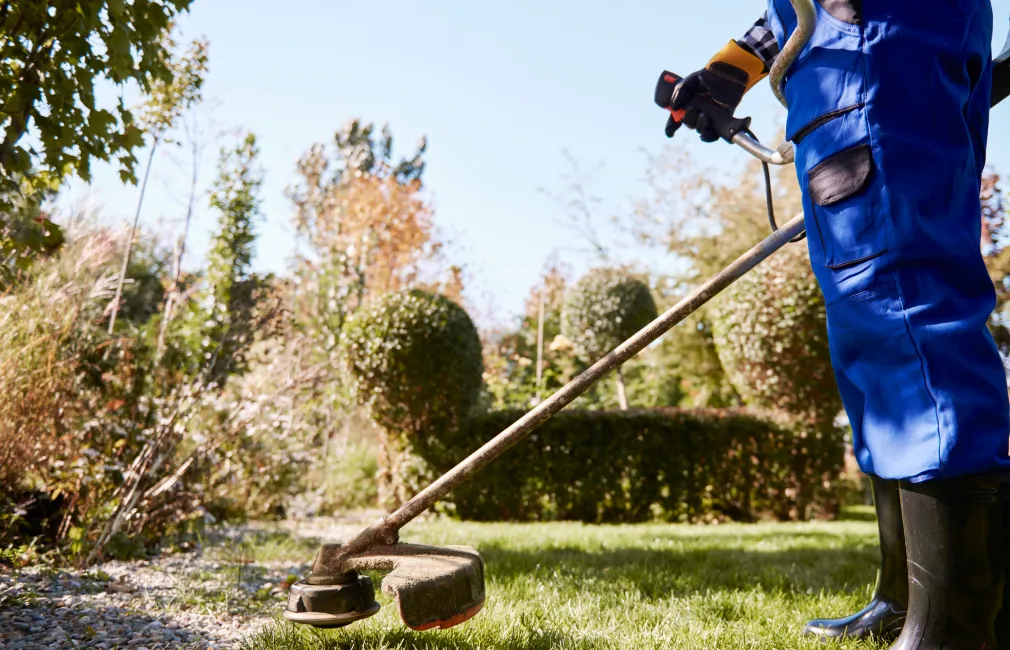
Cartersville Fertilizing Lawn Types

Warm-Season Grass Fertilization
-
Cool-Season Grass Fertilization
-
Organic Lawn Fertilization
-
Weed and Feed Treatments
-
Slow-Release Fertilizer Applications
-
Starter Fertilizer for New Lawns
-
Seasonal Fertilizer Programs
Our Fertilizing Lawn Process
Soil Analysis
Fertilizer Selection
Application Scheduling
Even Fertilizer Distribution
Post-Application Inspection
Why Choose Cartersville Landscape Services
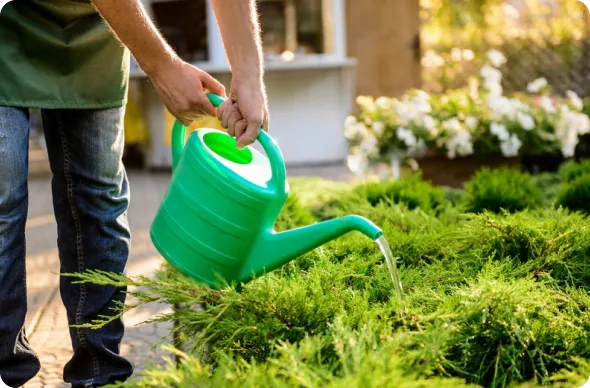
Cartersville Homeowners Trust Us
-
Expert Lawn Maintenance
-
Reliable Scheduling
-
Competitive Pricing
-
Professional Team
-
Satisfaction Guarantee
-
Personalized Service
-
Locally Owned and Operated
Cartersville's Cecil and Pacolet Clay Soils and Fertilizer Absorption Rates
Cartersville sits within Georgia's Piedmont region, where soils are predominantly classified as Cecil and Pacolet series — deep, well-drained Ultisols with a characteristic red clay subsoil. According to the USDA Web Soil Survey, these soils tend toward moderate to strong acidity, with pH levels commonly ranging from 5.0 to 6.0. Warm-season turf grasses such as Bermudagrass and Zoysiagrass — the most common lawn types in Cartersville — perform best when soil pH is maintained between 6.0 and 6.5. Before applying any fertilizer, property owners should conduct a soil test through UGA Cooperative Extension to determine actual pH, phosphorus, and potassium levels. Key soil-related considerations for Cartersville lawns include:
- Red clay subsoil limits deep nutrient infiltration without prior aeration
- Compacted urban fill soils in newer subdivisions may require amendment before fertilization
- Lime applications are frequently needed to correct acidity before nutrients become plant-available
- Soil tests should be repeated every 2–3 years to track changes
Optimal Fertilizer Timing for Cartersville's Warm-Season Turf Calendar
Cartersville falls within USDA Plant Hardiness Zone 7b, as confirmed by the USDA Plant Hardiness Zone Map, with average minimum winter temperatures between 5°F and 10°F. This zone designation directly affects fertilizer timing for warm-season grasses. Bermudagrass and Zoysiagrass should not receive nitrogen applications until soil temperatures consistently reach 65°F at a 4-inch depth — typically late April to mid-May in Cartersville. Applying nitrogen too early risks stimulating growth before root systems are fully active, increasing vulnerability to late frost events. Recommended seasonal timing for Cartersville lawns:
- First application: Late April to mid-May, once soil temperatures stabilize above 65°F
- Summer applications: June through August, spaced 6–8 weeks apart depending on turf density
- Final application: No later than mid-September to allow hardening before first frost
- Winter: No nitrogen applications; potassium-only applications may support cold hardiness if soil tests indicate deficiency The National Weather Service Peachtree City forecast office provides regional temperature data useful for tracking soil warming trends in Bartow County.
Protecting Euharlee Creek and Cartersville Stormwater Infrastructure During Fertilizer Applications
Cartersville's drainage network includes Euharlee Creek, Stamp Creek, and numerous stormwater conveyances managed under the city's municipal separate storm sewer system (MS4). Fertilizer runoff — particularly nitrogen and phosphorus — entering these waterways contributes to nutrient loading that degrades water quality under Georgia Water Quality Standards administered by the Georgia EPD Watershed Protection Branch. Property owners and lawn care professionals should observe the following precautions:
- Maintain a minimum 10-foot unfertilized buffer from all storm drain inlets, drainage ditches, and creek banks
- Avoid fertilizer applications immediately before forecast rainfall events of 0.5 inches or more
- Sweep or blow fertilizer granules off impervious surfaces such as driveways and sidewalks before irrigation or rain
- Do not apply fertilizer to saturated or flooded turf areas The Cartersville Public Works Department oversees stormwater infrastructure maintenance within city limits. Residents who observe fertilizer or chemical runoff entering storm drains should report the incident to Public Works directly.
Cartersville Public Works Department
10 N. Erwin St., Cartersville, GA 30120
Phone: (770) 387-5600
Official Website: Cartersville Public Works Department
Georgia Fertilizer Act Compliance and Professional Standards for Lawn Nutrition Programs
The Georgia Fertilizer Act of 1997 establishes labeling, registration, and distribution standards for all commercial fertilizer products sold or applied in Georgia. Fertilizer products must display guaranteed analysis labels identifying nitrogen (N), phosphate (P₂O₅), and potash (K₂O) percentages. The Georgia Department of Agriculture – Fertilizer program enforces these standards and maintains registration requirements for commercial fertilizer distributors. For Cartersville property owners and managers, practical compliance considerations include:
- Use only labeled, registered fertilizer products with clearly stated nutrient guarantees
- Slow-release nitrogen formulations reduce leaching risk in Cartersville's clay soils and are preferred for summer applications
- Phosphorus applications should be based on soil test results; avoid routine phosphorus applications on established turf without documented deficiency
- Commercial lawn care operators applying fertilizer as part of a service program should verify current Georgia Department of Agriculture registration requirements Bartow County Environmental Management Services also provides environmental compliance oversight relevant to fertilizer and chemical applications affecting local drainage and erosion.
Bartow County Environmental Management Services
135 W. Cherokee Ave., Cartersville, GA 30120
Official Website: Bartow County Environmental Management Services
Fertilizer Application Adjustments for Cartersville's Sloped and Wooded Residential Lots
Cartersville's topography includes rolling terrain with moderate to steep slopes in several residential areas, particularly near creek corridors and older neighborhoods developed along natural ridgelines. Sloped lots present specific challenges for fertilizer retention and runoff control. On grades exceeding 10–15%, granular fertilizer applied during dry conditions may shift before incorporation, while liquid applications risk sheeting off before absorption. UGA Cooperative Extension recommends the following adjustments for sloped or partially shaded Cartersville lots:
- Apply granular fertilizer at reduced rates on slopes and water in lightly immediately after application
- On heavily shaded lots with thin turf, reduce nitrogen rates by 25–30% compared to full-sun applications
- Tall fescue, which is used in some shaded Cartersville lawns, requires a different fertilization calendar than warm-season grasses — primary applications in September and November rather than summer
- Avoid fertilizing bare or sparsely vegetated slopes without erosion control measures in place
- Core aeration prior to fertilization improves nutrient uptake on compacted clay soils common throughout Cartersville's older developed areas
What Neighborhoods Do We Serve Throughout Cartersville, GA?
- Downtown Cartersville: Older residential lots with established turf, mature tree canopy, and compacted clay soils that benefit from soil testing and pH correction before fertilization programs begin.
- Dellwood: A mid-century neighborhood with mixed sun and shade conditions; shaded turf areas may require adjusted nitrogen rates and timing distinct from full-sun Bermudagrass lawns.
- Woodland Hills: Rolling terrain with moderate slopes and red clay subsoil; fertilizer retention and runoff management are primary considerations on steeper grades.
- Cartersville West / Cassville Road Corridor: Newer subdivisions with urban fill soils that may have disrupted native soil profiles, requiring soil testing before establishing a fertilization program.
- Euharlee Road Area: Proximity to Euharlee Creek drainage corridors requires strict buffer observance and careful timing of fertilizer applications relative to rainfall events.
- Grassdale Road Neighborhoods: Larger residential lots with warm-season turf; soil compaction from development activity is common, and aeration prior to fertilization is frequently warranted.
- White / Cassville Communities (Bartow County fringe): Properties near the city boundary may fall under both city and county environmental oversight; confirm applicable stormwater and fertilizer runoff standards with Bartow County Environmental Management Services.