
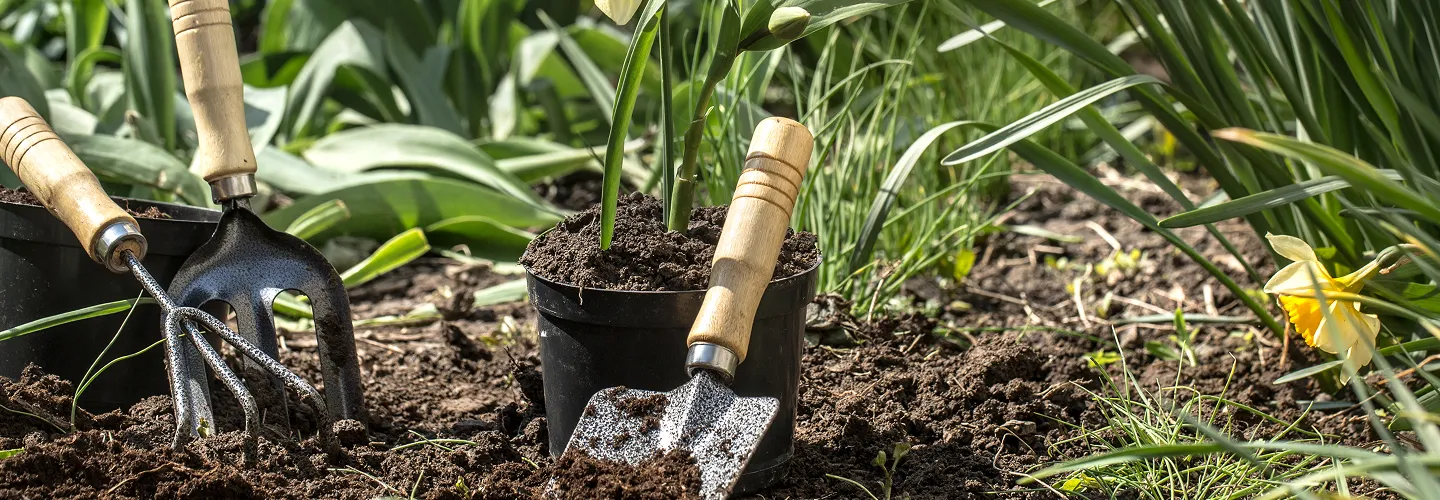
Cartersville Flower Planting Services
Choose our flower planting services for vibrant, healthy blooms that enhance your home's curb appeal and create a welcoming outdoor space, all handled by experienced professionals who care about your satisfaction.
Get a Free QuoteOur Cartersville Landscaping & Yard Care Services
When to Schedule Flower Planting in Cartersville, Georgia – Seasonal Guide
Flower planting in Cartersville, Georgia, is best scheduled with careful attention to our region’s unique climate and landscape. The optimal planting windows typically fall in early spring, after the last frost date—usually late March to early April—or in early fall, when soil temperatures remain warm but the risk of drought diminishes. Neighborhoods near Dellinger Park and the Etowah River often experience slightly cooler microclimates, which can extend the planting season by a week or two compared to more urbanized areas.
Local environmental factors play a significant role in determining the best time for flower planting. Cartersville’s clay-heavy soils retain moisture but can become compacted, so amending beds before planting is crucial. Shade coverage from mature oaks in areas like Waterford or tree density in the Woodland Hills subdivision can affect both sunlight and soil moisture, influencing which flowers thrive and when to plant. It’s also important to monitor municipal guidelines and seasonal water restrictions, which are updated regularly on the city’s official website.
Local Factors to Consider for Flower Planting in Cartersville
- Proximity to large trees and resulting shade coverage
- Soil type and drainage, especially in older neighborhoods
- Average precipitation and risk of late spring or early fall drought
- Terrain slope, which can impact water runoff and soil erosion
- Municipal restrictions on watering or planting during certain months
- Microclimates near landmarks like Dellinger Park or the Etowah River
Benefits of Flower Planting in Cartersville
Expert Local Knowledge
Customized Landscape Designs
Seasonal Plant Selection
Enhanced Curb Appeal
Eco-Friendly Practices
Reliable Maintenance Services
Cartersville Flower Planting Types

Annual Flower Planting
Seasonal annuals provide vibrant color and variety throughout the year.
-
Perennial Flower Beds
Perennials offer long-lasting beauty and return year after year with minimal maintenance.
-
Native Flower Gardens
Native flowers thrive in local conditions and support regional pollinators.
-
Shade Garden Planting
Shade-loving flowers create lush, colorful displays in low-light areas.
-
Pollinator-Friendly Planting
Attract bees, butterflies, and hummingbirds with pollinator-focused flower selections.
-
Container Flower Arrangements
Versatile container plantings add color and flexibility to patios and entryways.
-
Drought-Tolerant Flower Beds
Low-water flowers conserve resources while maintaining a beautiful landscape.
Our Flower Planting Process
Site Evaluation
Soil Preparation
Plant Selection
Careful Planting
Watering and Mulching
Why Choose Cartersville Landscape Services
Cartersville Homeowners Trust Us
-
Expert Lawn Maintenance
-
Reliable Scheduling
-
Competitive Pricing
-
Professional Team
-
Satisfaction Guarantee
-
Personalized Service
-
Locally Owned and Operated
Cartersville's Piedmont Red Clay Soils and Flower Bed Preparation Standards
Cartersville sits within Georgia's Piedmont region, where soils are predominantly Cecil and Appling series — dense, acidic red clay with pH levels typically ranging from 5.0 to 6.0 and limited natural drainage capacity. According to the USDA Web Soil Survey, these clay-heavy soils compact readily under foot traffic and equipment, restricting root penetration for flowering annuals and perennials alike. Before planting, property owners should:
- Conduct a soil test through UGA Cooperative Extension to determine pH and nutrient levels
- Amend beds with 3–4 inches of compost worked 6–8 inches deep to improve drainage and aeration
- Target a pH of 6.0–6.5 for most flowering species by incorporating lime as directed by test results
- Avoid tilling during wet conditions, which worsens compaction and destroys soil structure
Raised or mounded beds are often advisable in low-lying areas where clay accumulates standing water after rainfall. Cartersville falls within USDA Hardiness Zone 7b, supporting a broad range of warm-season and cool-season flowering plants when soil conditions are properly managed.
Optimal Flower Planting Windows for Cartersville's Growing Season
Cartersville's climate, monitored by the National Weather Service office serving northwest Georgia, features warm, humid summers and mild winters with occasional late-season freezes. The average last frost date for the Cartersville area falls between late March and mid-April, and the first fall frost typically arrives in mid-to-late October, providing an active growing window of approximately 190–210 days. Practical planting guidance includes:
- Cool-season annuals (pansies, snapdragons, dianthus): plant October through early November for fall and winter color; replant in late February through March
- Warm-season annuals (impatiens, zinnias, marigolds, vinca): transplant after the last frost risk passes, generally mid-April through May
- Perennials: establish in early spring (March–April) or early fall (September–October) to allow root development before temperature extremes
- Summer heat management: Cartersville's July average highs exceed 90°F, making afternoon shade and consistent irrigation critical for heat-sensitive species
Timing plantings to avoid the peak summer heat window (late June through August) reduces transplant stress and improves establishment rates significantly.
Protecting Cartersville Stormwater Infrastructure During Flower Bed Installation
Flower bed installation activities — including soil amendment, mulching, and fertilizer application — carry runoff risk that can affect Cartersville's stormwater drainage network. The city's stormwater system connects to Pettit Creek, Stamp Creek, and other tributaries within the Etowah River watershed, a waterway with documented water quality sensitivity. The Georgia EPD Watershed Protection Branch oversees water quality standards applicable to urban runoff in this region. Property owners and contractors should observe the following practices:
- Keep bare soil exposure to a minimum during bed preparation; apply mulch promptly after planting
- Do not apply granular fertilizers within 10 feet of storm drains, curb inlets, or drainage ditches
- Avoid fertilizer or soil amendment applications immediately before forecasted rainfall events
- Contain displaced soil and plant debris away from street gutters and drainage channels
The Cartersville Public Works Department manages stormwater infrastructure throughout the city. Residents with questions about drainage compliance near planting areas may contact Public Works directly.
Cartersville Public Works Department
10 N. Erwin Street, Cartersville, GA 30120
Phone: (770) 387-5600
Official Website: Cartersville Public Works Department
Selecting Heat- and Humidity-Tolerant Flowering Plants for Cartersville Landscapes
Cartersville's combination of high summer humidity, intense afternoon sun, and periodic drought stress requires careful plant selection to ensure long-term bed performance. The UGA Cooperative Extension recommends prioritizing species with demonstrated heat tolerance and disease resistance for Georgia Piedmont conditions. Recommended flowering plants suited to Cartersville's Zone 7b climate include:
- Full sun beds: Vinca (Catharanthus roseus), Lantana, Gaillardia, Coneflower (Echinacea), Black-eyed Susan (Rudbeckia), Salvia
- Partial shade beds: Impatiens (in areas with afternoon shade), Begonias, Caladiums (foliage with seasonal bloom), Torenia
- Native and adapted perennials: Purple coneflower, Coreopsis, Rudbeckia hirta, and native Phlox support local pollinators and require less supplemental irrigation once established
- Avoid: Species with low humidity tolerance or those prone to powdery mildew in dense, humid conditions
Property owners near wooded corridors or creek-adjacent lots should also consult UGA Extension's Invasive Species resources to avoid inadvertently introducing invasive ornamentals such as English ivy or Chinese wisteria into naturalized areas.
Mulching, Irrigation, and Bed Maintenance Coordination With Cartersville's Water Department
Proper mulching and irrigation management are essential components of sustainable flower planting in Cartersville, particularly given the city's clay soils and summer drought periods. The Cartersville Water Department manages the municipal water supply and may issue seasonal watering advisories or restrictions during drought conditions, consistent with Georgia EPD Water Conservation guidelines. Residents should:
- Apply 2–3 inches of organic mulch (pine bark, shredded hardwood, or pine straw) to retain soil moisture, moderate temperature, and suppress weeds
- Maintain a 2-inch clearance between mulch and plant stems to prevent crown rot
- Water newly installed flowering plants deeply 2–3 times per week for the first 2–4 weeks; reduce frequency as plants establish
- Use drip irrigation or soaker hoses where feasible to minimize foliar moisture and reduce fungal disease pressure
- Monitor for watering restrictions during declared drought periods; verify current restrictions with the Cartersville Water Department
Cartersville Water Department
200 Erwin Street, Cartersville, GA 30120
Phone: (770) 387-5626
Official Website: Cartersville Water Department
What Neighborhoods Do We Serve Throughout Cartersville, GA?
Flower planting conditions, soil behavior, and site-specific challenges vary across Cartersville's neighborhoods and districts. The following areas represent the range of residential and mixed-use environments served within city limits:
- Downtown Cartersville / Historic District: Older lots with compacted urban soils, mature tree canopy creating significant shade, and limited bed space along established streetscapes; shade-tolerant species and soil amendment are typically required.
- Douthit Ferry Road Corridor: Newer residential subdivisions with fill soils of variable quality; drainage and compaction assessment is recommended before bed installation.
- Pettit Creek Farms Area: Proximity to Pettit Creek introduces drainage sensitivity; runoff management and buffer-conscious planting practices are important in this corridor.
- Cassville Road Neighborhoods: Mixed older and newer development with varying sun exposure and clay soil depth; soil testing is advisable before selecting flowering species.
- Woodland Hills / Wooded Residential Areas: Heavy tree canopy limits sun availability; shade-adapted flowering plants and careful mulch management are essential.
- Highway 41 / Kingston Road Corridor: Commercial-adjacent residential properties with higher impervious surface ratios; stormwater-conscious bed placement and mulching are recommended.
- Euharlee Road Area: Rural-transitional lots with larger planting areas, variable drainage, and potential for native flowering plant integration along naturalized edges.